
Why Nigerian Businesses Lose Sales Even When Customers Are Making Enquiries
The Business Owner Who Was Always Busy but Still Wanted More Sales
Imagine a business owner in Lagos who sells building materials.
Every morning, he opens his shop, checks his inventory, speaks with suppliers, attends to customers, and tries to keep the business profitable.
His phone rarely stays quiet.
A contractor calls to ask about prices. Someone sends a WhatsApp message. Another customer requests a quotation. A previous customer wants to know whether a particular product is available.
From the outside, the business looks active.
But at the end of the month, the owner faces a familiar problem: despite all the activity, the business isn’t growing as quickly as he expected.
Some customers buy. Others disappear after receiving prices. A few promise to return but never do.
He assumes he needs more advertising and more customers.
But there’s another question worth asking:
What happens to the people who have already shown interest in buying from him?
Some may be waiting for a response. Others may need a follow-up. Some may have been forgotten entirely.
This is a problem many businesses face. They focus on attracting customers but give less attention to the process that turns enquiries into sales.
That’s where a revenue system comes in.
What Is a Revenue System?
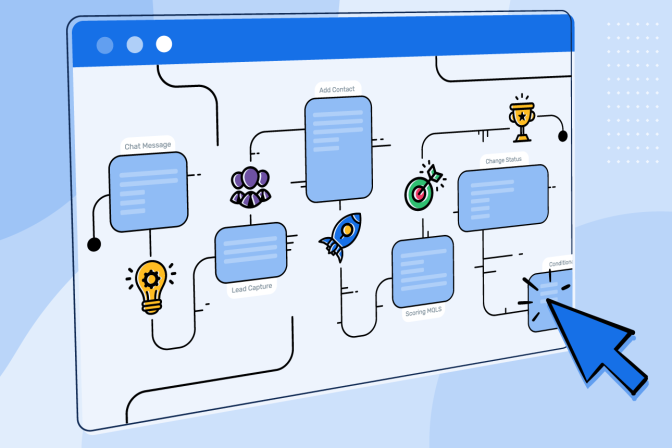
A revenue system is the collection of processes, tools, and activities a business uses to attract potential customers, manage enquiries, convert sales opportunities, and encourage repeat business.
It connects different parts of business growth instead of leaving them to operate independently.
For example, a business might use digital marketing to attract attention, a website to explain its products, a customer relationship management system (CRM) to organise enquiries, and a follow-up process to stay in touch with interested prospects.
Each part supports the others.
Without a clear process, the business owner may have to remember every customer conversation, search through old messages, and guess which prospects are ready to buy.
A well-designed revenue system helps make these activities more organised and easier to manage.

Why Businesses Can Lose Sales Without Realising It
1. Customer Enquiries Get Forgotten
Imagine receiving 20 enquiries in a week.
Some arrive through WhatsApp. Others come from Facebook, phone calls, email, or your website.
You answer as many as you can, but the business gets busy.
By Friday, several conversations have disappeared beneath newer messages.
You may not even remember who requested a quotation or who wanted to place an order.
The problem isn’t necessarily a lack of interest. It’s that the business has no reliable way to track and manage its enquiries.
A simple enquiry log or CRM can help you record customer details, what they need, and the next action required.
2. Business Owners Don’t Follow Up
A customer asks for a price and says they’ll think about it.
The business owner assumes the customer isn’t interested and moves on.
However, the customer may have been comparing options, waiting for approval, or planning to purchase later.
A polite follow-up can reopen the conversation.
Of course, follow-up doesn’t guarantee a sale. Some people won’t buy, and others may ask not to be contacted again.
But a structured process helps ensure that genuine opportunities receive appropriate attention.
3. Marketing and Sales Operate Separately
Some businesses invest in advertising without preparing a clear process for handling the enquiries that follow.
An advert generates interest, but the customer doesn’t know what to do next.
Perhaps the business page contains incomplete information. Maybe the website makes ordering difficult. Or perhaps nobody responds promptly to incoming messages.
Marketing can bring people to your business, but the next steps matter too.
A revenue system connects visibility with a clear customer journey.
4. Existing Customers Are Forgotten
Businesses often spend considerable effort attracting new customers while overlooking people who have already bought from them.
A previous customer may need a refill, another service, a replacement product, or something related to an earlier purchase.
Keeping appropriate customer records and maintaining useful communication can help businesses identify opportunities for repeat purchases.
The goal isn’t to bombard customers with messages. It’s to remain helpful, relevant, and respectful.
The Five Parts of a Practical Revenue System
1. Customer Acquisition
People need to discover your business before they can consider buying from you.
Depending on your audience and industry, customer acquisition may include Google Business Profile, Google Ads, YouTube Ads, social media marketing, referrals, or other suitable channels.
The objective is to reach relevant people and give them a clear reason to learn more about your offer.
2. A Clear Place to Learn and Buy
When a potential customer discovers your business, they should be able to understand what you offer and how to take the next step.
That may involve a professional website, a Shopify store, a well-organised social media page, or a clear enquiry process.
Make it easy for people to find your products, understand your services, ask questions, and place orders.
3. Enquiry Management
Every serious enquiry should have a clear place in your business process.
You should be able to answer basic questions:
- Who contacted the business?
- What product or service do they need?
- Have they received the information they requested?
- Is there an action we need to take next?
- Has the enquiry resulted in a sale?
A spreadsheet may be enough for a small operation. A CRM may be more suitable when enquiry volumes and team responsibilities grow.
The right tool depends on the business.
4. Follow-Up and Automation
Following up doesn’t need to mean manually checking every conversation throughout the day.
Depending on your tools, you may be able to use reminders, task assignments, approved message templates, or automation to support the process.
For example, when a customer requests a quotation, the system could remind a team member to check whether the customer needs additional information.
Automation should support good customer service, not replace it entirely.
Messages should be relevant, respectful, and consistent with customer preferences and applicable privacy requirements.
5. Measurement and Improvement
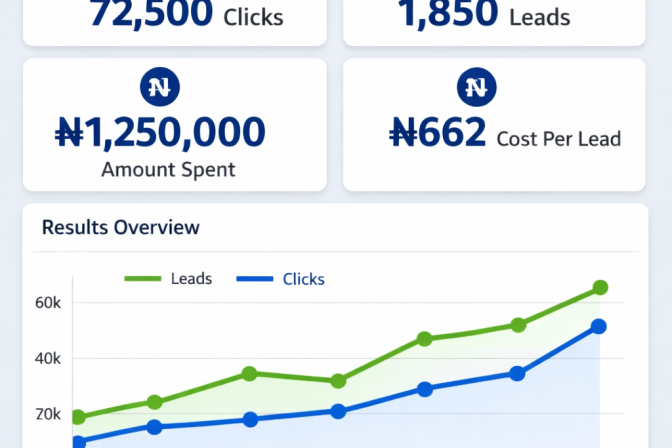
A revenue system should help you understand what is happening in the business.
Useful measures may include:
- Number of enquiries received.
- Time taken to respond.
- Number of quotations sent.
- Number of enquiries converted into sales.
- Average order value.
- Repeat purchases.
- Customer acquisition costs.
Tracking these figures can reveal where opportunities are being lost.
For instance, if enquiries are increasing but sales aren’t, the business may need to review its offer, response process, pricing, or customer experience rather than automatically spending more on advertising.
How TELESQUIB Helps Businesses Build Revenue Systems
At TELESQUIB, we help businesses improve the systems behind their visibility, customer acquisition, and growth.
Depending on the needs of your business, our services may include:
Digital marketing: Helping relevant audiences discover your products and services.
Social media setup and management: Establishing and managing your business’s social media presence.
Google Ads and YouTube Ads: Helping businesses reach audiences through suitable advertising campaigns.
Websites and Shopify stores: Providing an online destination where customers can learn about your business, explore products, and take the next step.
CRM and automation: Helping businesses organise customer information and improve processes for managing enquiries and follow-ups.
The right combination depends on your goals, current challenges, budget, and how your business operates.
A business that receives few enquiries may need to improve its visibility. A business that receives many enquiries but struggles to convert them may need to examine its sales and follow-up process.
The aim is to identify the real bottleneck before investing in a solution.
Start by Asking Five Questions
Before spending more money trying to attract customers, take a moment to assess your current process.
- Do potential customers know where to find my business?
- Is it easy for them to understand what I sell and how to buy?
- Do I record and organise incoming enquiries?
- Do I have a reliable process for following up?
- Do I know which marketing activities are generating useful enquiries and sales?
Your answers can help reveal what needs attention first.
You don’t need to install every tool at once. Start with the most important gap, establish a workable process, and improve it as your business grows.
Build a Business That Doesn’t Depend Entirely on Your Memory
Running a business is demanding enough without trying to remember every customer, quotation, message, and follow-up.
You deserve a clearer way to manage your work.
Your customers deserve a more organised experience.
And your business deserves a process that helps you understand how enquiries become sales.
A revenue system won’t guarantee profits or eliminate every lost opportunity. However, it can help you reduce avoidable gaps, improve visibility into your sales process, and make better decisions about where to focus your resources.
The important thing is to stop treating customer acquisition, sales, and follow-up as unrelated activities.
Connect them.
Measure them.
Improve them.
And build a system that supports the business you want to create.
Ready to Examine Your Business’s Revenue System?
If your business is attracting enquiries but struggling to turn them into sales, or if you need a more organised way to attract and manage potential customers, TELESQUIB can help you explore the next steps.
Explore our services: OUR SERVICES
Let’s talk about your business: SEND US A MESSAGE
TELESQUIB — Build the System. Grow the Business.
Discover more from TELESQUIB
Subscribe to get the latest posts sent to your email.